




Parker Bankruptcy: What It Means for the Fintech Industry
The fintech industry has transformed the global financial landscape by introducing innovative digital solutions that make banking, payments, lending,
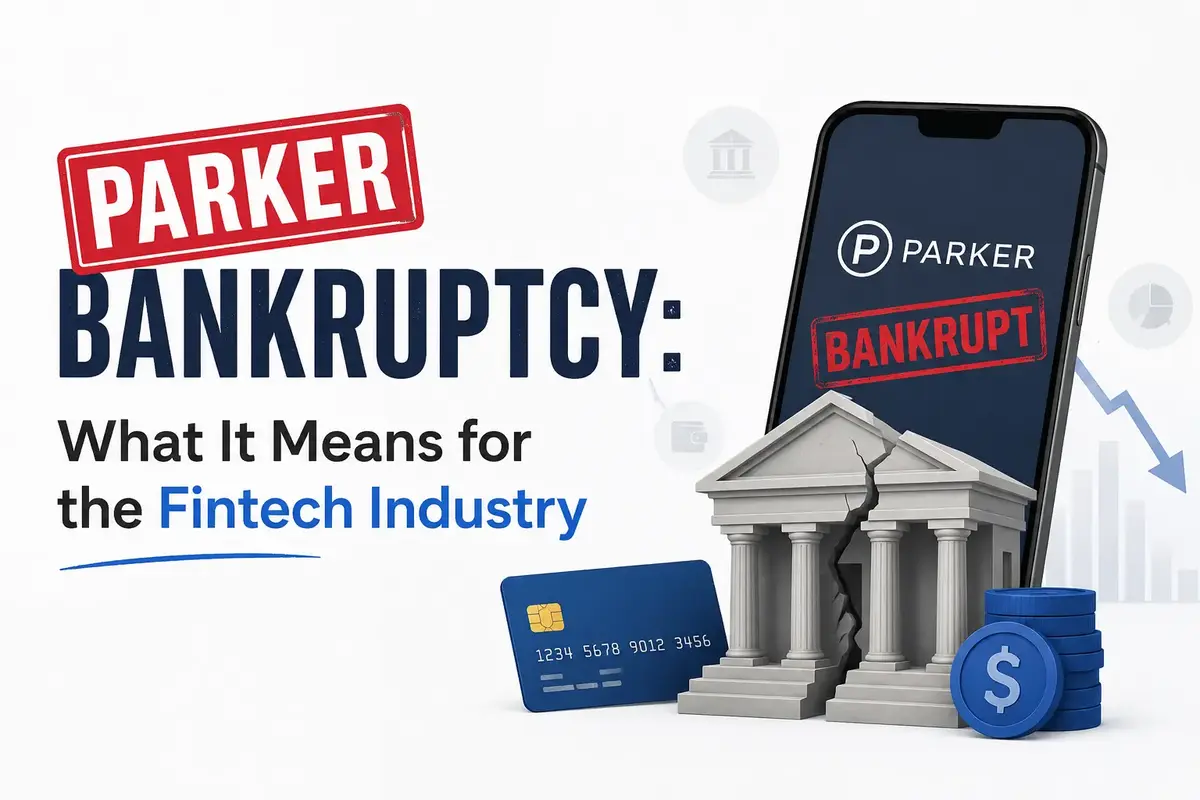
The fintech industry has transformed the global financial landscape by introducing innovative digital solutions that make banking, payments, lending, and financial management more accessible and efficient. However, the rapid growth of fintech companies has also exposed challenges related to competition, funding, regulation, and long-term sustainability. Parker’s bankruptcy has emerged as a significant event that highlights these challenges and raises important questions about the future of financial technology businesses.
As investors, entrepreneurs, and consumers closely watch the situation, the case provides valuable insights into the risks associated with operating in a fast-changing and highly competitive market. Beyond the impact on Parker itself, the bankruptcy may influence investor confidence, regulatory approaches, and business strategies across the fintech sector.
Understanding what led to this development and its broader implications can help industry stakeholders better prepare for future opportunities and challenges in the evolving fintech ecosystem.
About Parker
Parker was a fintech company focused on providing modern financial solutions designed to help businesses manage their spending, cash flow, and financial operations more effectively. Like many emerging fintech firms, Parker sought to simplify complex financial processes through technology-driven services and digital platforms.
The company aimed to offer businesses greater flexibility, efficiency, and access to financial tools that could support growth in a competitive market. Its innovative approach attracted attention from investors and customers who viewed fintech as a rapidly expanding sector with significant potential.
Read More: Best Printers in USA
However, operating in the fintech industry often involves challenges such as maintaining profitability, securing funding, managing risk, and adapting to changing market conditions. Parker’s journey reflects both the opportunities and difficulties faced by many financial technology startups.
Understanding the company’s background provides important context for examining the factors that contributed to its bankruptcy and the lessons the broader fintech industry can learn from its experience.
Why Parker Filed for Bankruptcy
Parker’s bankruptcy can be viewed as the result of several challenges that commonly affect fintech companies in a competitive and rapidly changing market. Many fintech firms rely heavily on external funding to support growth, product development, and customer acquisition.
Read More: Best Walking Pads for Home
When investment becomes harder to secure or operating costs rise faster than revenue, financial pressure can quickly increase. Economic uncertainty, changing interest rates, stricter regulations, and intense competition from both traditional financial institutions and newer fintech startups may also contribute to financial difficulties.
In Parker’s case, these factors likely combined to create challenges in maintaining sustainable operations and long-term profitability. Bankruptcy often becomes an option when a company can no longer meet its financial obligations or requires restructuring to address mounting debt.
While the exact circumstances may vary, Parker’s situation highlights the importance of strong financial planning, risk management, and sustainable growth strategies within the fintech industry.
Impact on Customers, Investors, and Employees
Parker’s bankruptcy has significant consequences for multiple stakeholders, including customers, investors, and employees. For customers, the immediate concern is service continuity and access to their financial data or accounts.
Read More: EcoWarm Plug-In Heater
Disruptions in fintech platforms can create uncertainty and inconvenience, especially for businesses that rely on these tools for daily operations. Investors may face substantial financial losses, as bankruptcy often results in a reduction in asset value or the complete loss of invested capital.
It can also weaken confidence in the broader fintech sector, making future funding more cautious. Employees are often the most directly affected, facing job losses, unpaid wages, or uncertainty about their future careers.
Beyond individual impacts, such events can also affect morale and trust within the industry. Overall, Parker’s situation highlights how financial instability in fintech companies can ripple across different groups, emphasizing the importance of stability, transparency, and responsible financial management in the sector.
Lessons for the Fintech Industry
Parker’s bankruptcy offers several important lessons for the broader fintech industry. One of the key takeaways is the importance of sustainable growth over rapid expansion. Many fintech startups prioritize scaling quickly, but without strong revenue models and cost control, long-term stability can be at risk.
Another lesson is the need for effective risk management, especially in a sector heavily influenced by market fluctuations, regulatory changes, and investor sentiment. Companies must also maintain transparency with investors, customers, and employees to build trust and credibility.
Read More: Eurogamersoline Gadgets Archies
Additionally, diversification of funding sources and careful financial planning can help reduce dependency on a single stream of capital. The situation also highlights the importance of adapting to regulatory requirements and ensuring compliance in all operations.
Overall, Parker’s case serves as a reminder that innovation alone is not enough; fintech companies must balance innovation with financial discipline, accountability, and resilience to survive in a competitive industry.
Conclusion
Parker’s bankruptcy marks a significant moment for the fintech industry, offering both a warning and a learning opportunity for stakeholders across the sector. While fintech continues to reshape how financial services are delivered.
This case highlights the risks that come with rapid growth, heavy reliance on funding, and uncertain market conditions. The collapse of a single company can create ripple effects that influence customer trust, investor confidence, and employee stability.
Read More: What is a Passive Disabling Device
However, it also encourages stronger practices, including better financial planning, improved risk management, and greater transparency in operations. For the wider fintech ecosystem, Parker’s situation reinforces the idea that innovation must be supported by sustainable business models and regulatory awareness.
As the industry continues to evolve, companies that balance innovation with responsibility will be better positioned for long-term success. Ultimately, this case serves as a reminder that resilience and discipline are just as important as technological advancement in fintech.
Also Read: Best Tech Gadgets Techinsiderz com Gadgets